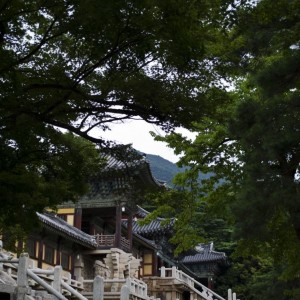
Seokguram Grotto
 6.96℃ 5.11℃ 96%

Religion.Temple
Seokguram Grotto
873-243 Bulguk-ro, Jinhyeon-dong, Gyeongju-si, 38126, South Korea
Take Bus No. 12 from the Bulguksa Temple parking lot. The bus runs every hour and takes about 20 minutes to reach the Seokguram entrance.
+82-54-746-9933
Daily 09:00–17:30 (Opening hours may be extended during holidays or special events)
Open year-round
unesco world heritage site
historic site
landmark
334
(이 포스팅은 제휴마케팅이 포함된 광고로 커미션을 지급 받습니다.)
AI provides it.
Overview
Seokguram Grotto is an artificial stone temple made of granite, located on Mt. Tohamsan. It represents the pinnacle of Silla's architectural, mathematical, and artistic achievements. The grotto consists of an ante-chamber, a corridor, and a main rotunda where a magnificent statue of the Buddha sits in serene meditation, facing the East Sea.
History
Built in 751 (the 10th year of King Gyeongdeok's reign) by Prime Minister Kim Dae-seong, Seokguram was originally called 'Seokbulsa' (Stone Buddha Temple). It was designed to represent the Pure Land (Buddhist Paradise). Despite being an artificial structure, it maintains a natural ventilation system through sophisticated engineering. It was inscribed on the UNESCO World Heritage list in 1995 along with Bulguksa Temple.
Things to see
Divine sculptures and architectural precision:
**Bonjonbul (Principal Buddha Statue)**: A 3.5-meter-tall granite statue of Sakyamuni Buddha, renowned for its realistic proportions and calm, merciful expression.
**Relief Sculptures**: The walls of the grotto are adorned with intricate carvings of the Eight Guardian Deities, Sakra, Brahma, and the Eleven-headed Avalokitesvara.
**The Dome Architecture**: The ceiling of the rotunda is a masterpiece composed of 360 flat stones, fitted together without mortar through advanced stone-stacking techniques.
Things to do
Sunrise views and spiritual walks:
**Witness the Sunrise**: Mt. Tohamsan is famous for its stunning sunrise over the East Sea. Many visitors hike up early in the morning to catch the first light hitting the peak.
**Tohamsan Forest Trail**: Walk the peaceful path connecting Seokguram and Bulguksa (approx. 2.2km, 1 hour). It's a great way to enjoy the mountain's natural beauty and clean air.
**Bell of Unity**: Near the parking lot, you can pay a small donation to ring the massive bell and make a wish for peace or personal happiness.