Gyeongju Yangdong Village
 7.44℃ 5.83℃ 43%
Tourism.Village
91 Yangdongmaeul-an-gil
Gangdong-myeon, Gyeongju-si, Gyeongsangbuk-do 38006, South Korea
Take Bus No. 203 from Gyeongju Intercity Bus Terminal or Gyeongju Station. It's a direct route that takes approx. 40-50 minutes.
+82-54-762-2630
Summer (Apr-Sep): 09:00–19:00 / Winter (Oct-Mar): 09:00–18:00 (Ticket sales end 1 hour before closing)
Open year-round (Admission: Adults 4,000 KRW / Teens 2,000 KRW / Children 1,500 KRW)
unesco world heritage site
historic site
cultural events
experience program
national registered cultural heritage
270
(이 포스팅은 제휴마케팅이 포함된 광고로 커미션을 지급 받습니다.)
AI provides it.
Overview
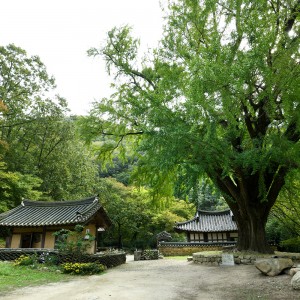
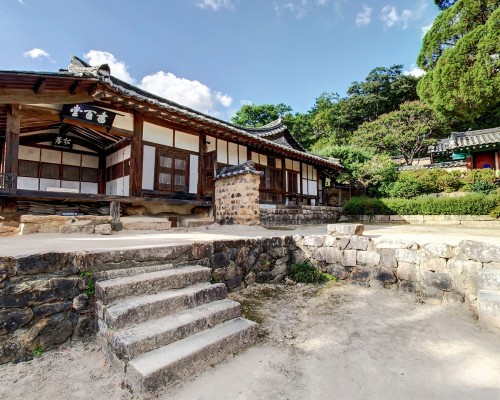
Gyeongju Yangdong Village is South Korea's largest traditional clan village, showcasing the aristocratic Confucian culture of the Joseon Dynasty. Nestled at the foot of Seolchangsan Mountain, the village follows the topography of the mountains and valleys. It is famous for its well-preserved traditional houses (Hanoks) and its deep-rooted clan history, primarily dominated by the Wolseong Son and Yeogang Yi families.
History
The village was founded in the 15th century and has flourished for over 500 years. It produced many renowned scholars and officials, including Yi Eon-jeok, one of the eighteen sages of Korea. In 2010, Yangdong Village was designated as a UNESCO World Heritage site alongside Hahoe Village in Andong for its outstanding preservation of the traditional lifestyle and architecture of a Confucian clan settlement.
Things to see
Aristocratic residences and scenic views:
The **Seobaekodang House**: The head house of the Wolseong Son clan, famous for its elegant structure and a 500-year-old juniper tree in the garden.
The **Mucheomdang House**: An annex building of the Yeogang Yi clan, notable for its refined architectural style that represents the scholarly dignity of the Joseon era.
The **Hyangdan House**: A unique and complex Hanok structure given to Yi Eon-jeok by King Jungjong, characterized by its intricate layout and majestic appearance.
Things to do
Cultural experiences and nature walks:
Take a **Historical Stroll**: Walk through the narrow lanes to see the contrast between tiled-roof aristocratic houses on the hills and thatched-roof commoners' houses in the valley.
Visit the **Yangdong Village Cultural Museum**: Located near the entrance, it provides detailed insights into the village's history, genealogies, and the daily lives of its ancestors.
Participate in **Traditional Programs**: Experience tea ceremonies, rice cake making (Tteok-me-chigi), or stay overnight in a traditional Hanok to experience living history first-hand.