Jongmyo Shrine
 17.87℃ 18.32℃ 100%
Ruins.Palace
157, Jong-ro
Jongno-gu, Seoul, 03136, South Korea
Jongno 3-ga Station (Subway Line 1, 3, 5), Exit 11 (Approx. 5-minute walk)
+82-2-765-0195
Feb-May/Sep-Oct: 09:00-18:00 | Jun-Aug: 09:00-18:30 | Nov-Jan: 09:00-17:30 (Guided tours only on weekdays, self-guided on weekends)
Every Tuesday
unesco world heritage site
historic site
209
(이 포스팅은 제휴마케팅이 포함된 광고로 커미션을 지급 받습니다.)
AI provides it.
Overview
Jongmyo is the supreme royal ancestral shrine of the Joseon Dynasty, where the spirit tablets of deceased kings and queens are enshrined. Unlike the splendid palaces, Jongmyo is characterized by its somber, sublime, and minimalist architectural beauty. It was designated as a UNESCO World Heritage site in 1995 for its well-preserved Confucian traditions and unique spiritual atmosphere.
History
Construction of Jongmyo began in 1394 when King Taejo moved the capital to Hanyang (Seoul). Although it was destroyed during the Japanese invasion in 1592, it was rebuilt in 1608 and expanded several times to accommodate the spirit tablets of subsequent monarchs. It has served as the spiritual pillar of the Joseon Dynasty for over 500 years and continues to host traditional rituals today.
Things to see
Spiritual architecture and sacred paths:
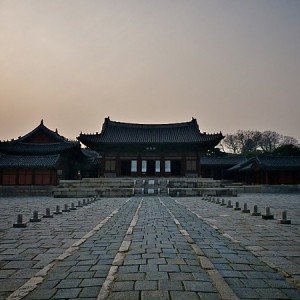
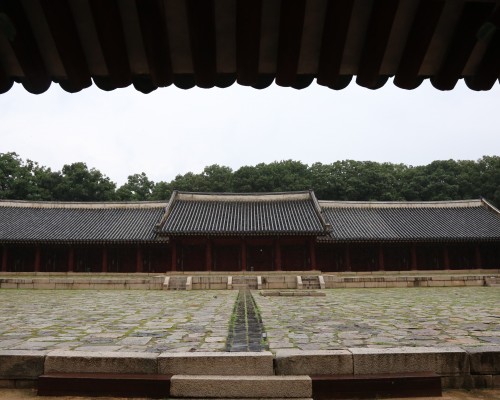
The **Jeongjeon (Main Hall)**: The world's longest single wooden structure (109m), housing the spirit tablets of 19 kings and 30 queens. Its repetitive pillars create a sense of infinite sacredness.
The **Samdo (Three-tiered Path)**: A stone-covered path where the center is elevated for spirits, the right for the king, and the left for the crown prince. Visitors are asked not to walk on the central spirit path.
The **Yeongnyeongjeon (Hall of Eternal Peace)**: An auxiliary hall built when Jeongjeon became full, housing the tablets of royal ancestors and kings of lesser prominence.
Things to do
Cultural rituals and historical tours:
Watch the **Jongmyo Jerye (Royal Ancestral Rite)**: A massive ceremonial reenactment held every first Sunday of May, featuring traditional music (Jeryeak) and dance (Ilmu).
Join a **Guided Language Tour**: On weekdays, admission is only allowed through guided tours (English, Japanese, Chinese, and Korean schedules vary) to maintain the site's solemnity.
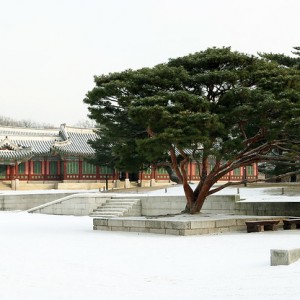
Walk the **Forest Trails**: Enjoy a peaceful stroll through the wooded grounds that surround the shrine, providing a calm sanctuary in the middle of busy Seoul.

 Marcostar 2026